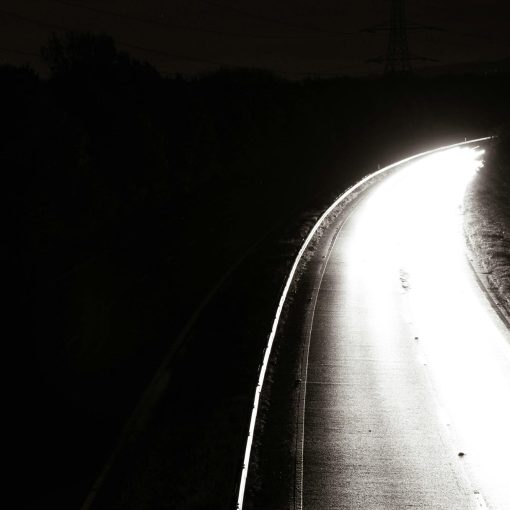
It’s been a very soggy couple of months. Roads around Leicester and Leicestershire have been struggling with standing water after heavy rain and surface water has been hanging about long after the showers have stopped. In some areas, water builds up on the road, flooding dips and low spots, and it’s caught a few drivers out already. With this much rain falling and ground so saturated, even short bursts of rain can quickly leave you dealing with splash zones on routes you thought were fine.
While a bit of rain is part and parcel of motoring in the UK, standing water and surface water on roads make driving trickier, the car puts up more fight than usual, and stopping distances increase. Let’s talk about handling wet, greasy roads safely and why just driving through flood water is never a good idea.
Why wet roads are more dangerous than they look
When the road is wet, your tyres have less grip than normal. Water gets between the rubber and the surface, and that makes it easier for your car to lose traction, especially if you’re braking or cornering. In deeper water you can experience something called aquaplaning, where the tyres ride up on a film of water and lose contact with the road completely.
Even a bit of standing water can do this if your speed is too high. That’s why slowing down and keeping a bigger gap to the car in front as soon as the rain sets in is one of the simplest ways to stay in control.
What to do when you spot standing water on the road
If you see a puddle forming, there are a few basic rules to follow:
1. Slow right down
Braking on wet, greasy roads needs a much longer stopping distance than dry ones. Take it easy.
2. Increase your following gap
Spray from the car in front reduces visibility and makes your tyres work even harder. More space gives you more time to react.
3. Avoid sudden steering or braking
Sharp inputs can make you lose traction if the road is slippery or there’s water under the surface.
4. Watch out for dips, under bridges and low spots
Water always settles in the lowest points first and that’s often where you least expect it on country lanes.
5. Resist the urge to power through deep water
Even if it looks shallow, water can hide potholes, road damage or debris beneath the surface. You can’t see what’s below, and that’s a gamble worth avoiding.
Why you should never force your way through flood water
This needs to be said clearly: never assume it’s safe to drive through flood water if you’re not sure how deep it is. It’s a common mistake that puts people in serious trouble. All it takes is around one foot of moving water to float a car or knock it off course.
That water can also be full of things you don’t see such as sharp debris, collapsed surfaces, even missing drain covers dropped by the flood. If water gets into the engine, air intake or electrical systems, it can cost thousands to fix. Even modern vehicles, including those with sealed electrics, aren’t immune to this kind of damage.
There’s also the safety side of it. If you lose control going through deep water, you and your passengers can be at risk. Emergency services regularly warn that the number one cause of death in a flood incident is cars being swept away by water they shouldn’t have ventured through.
If you get stuck in water and the car stalls, do not try to restart the engine with water still present. That will draw more water in and make the damage worse. If you’re in a dangerous spot, get yourself out and to safety first, then call for help.
Braking safely on wet and greasy roads
Water lying on the surface of the road isn’t the only hazard in wet weather. When roads are greasy after rain, stopping distances increase dramatically. Tyres that still have plenty of tread and are set at the correct pressure help a lot, and easing your speed gives your car more time to react.
As soon as conditions turn wet:
- Reduce your speed well below the posted limit so you have more time to react.
- Increase how far you leave between you and the car ahead.
- Brake gently and steadily so water doesn’t upend the grip your tyres have.
- If your car has stability control or ABS, let it do its job, don’t fight it.
What we can do to help at VFR Motors
If all this wet weather has left you nervous about your car’s handling or braking, bring it in and we’ll check it over. Tyres, brakes, suspension, steering linkages, oil and fluids all matter when the roads are greasy and the water’s standing.
We can give you a proper winter safety check and let you know if anything needs attention before it turns into a bigger job.
A quick winter wet-road checklist
Before you set off in winter weather like this:
- Check your tyre tread and pressures
- Make sure your brake pads and discs are healthy
- Check that your lights and wipers are working properly
- Keep your windscreen and windows clear
A few minutes of checking now could save you a lot of stress down the line.
If you want peace of mind in this weather, book a winter safety check with us or pop into the garage for a quick chat. Stay safe out there, and always think twice before taking on water you’re not sure about.
Get in touch using our contact form or give us a call on 0116 3190 118 or 07850 881 911. Or just pop into our friendly garage on Shaftsbury Road, Leicester, LE3 0QN. We’ll get you sorted.